Cling Film vs Plastic Wrap — What’s the Difference in Pakistan?
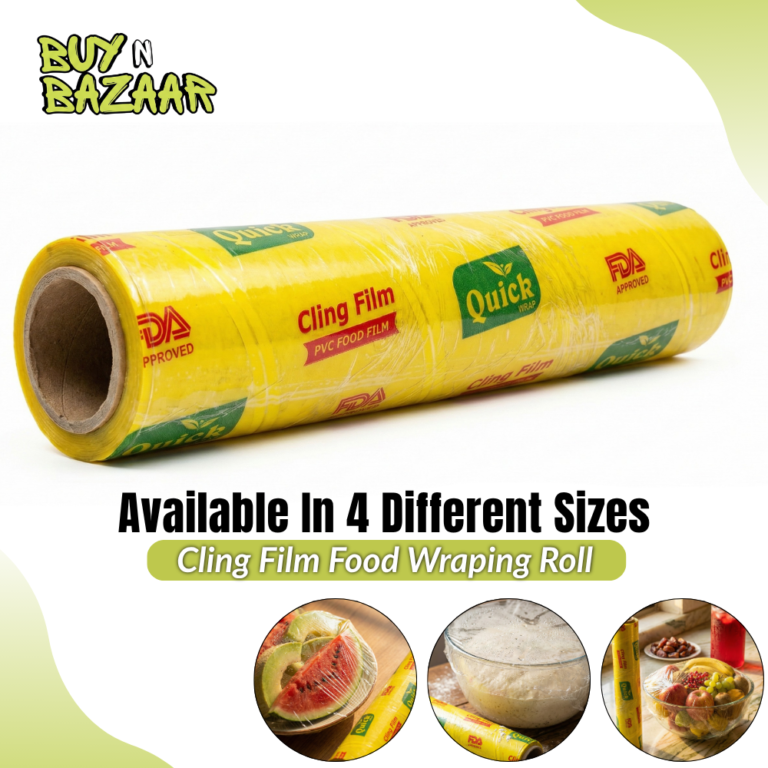
In Pakistan, “cling film” and “plastic wrap” are used interchangeably, but there’s a real difference. Cling film is PVC-based — it clings tightly due to plasticizers. Food-grade plastic wrap (LDPE/LLDPE) is plasticizer-free and safer for direct food contact. For wrapping roti, paratha, or covering bowls of leftover biryani, LDPE wrap is the safer choice. PVC cling film works for non-food uses — covering surfaces during painting or wrapping items for storage. Always check the box: “food safe” or “BPA-free” labels matter. Price difference is minimal — Rs 50–80 more for food-grade — but the safety gap is significant.
Is Aluminium Foil Safe for Cooking Pakistani Food?
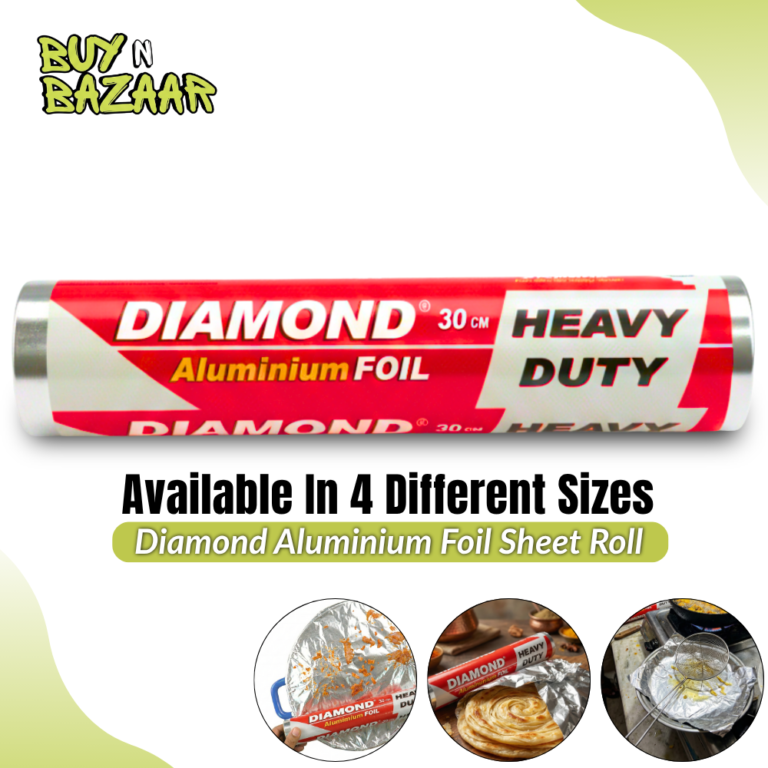
Aluminium foil is a Pakistani kitchen staple — lining baking trays for naan, wrapping seekh kebabs, covering dishes in the oven. Safety depends on usage. Acidic foods (tomato-based salan, lemon marinades, vinegar achaar) react with aluminium — the foil breaks down and leaches into food. Neutral and dry foods (roti, plain chicken, vegetables) are safe. Heavy-duty foil (18+ microns) resists tearing and leaching better than standard foil. For acidic cooking, use parchment/baking paper instead. For grilling and BBQ season (which runs year-round in Lahore), heavy-duty foil is essential — standard foil tears on grill grates.
Baking Paper vs Butter Paper — Pakistani Bakers Get This Wrong
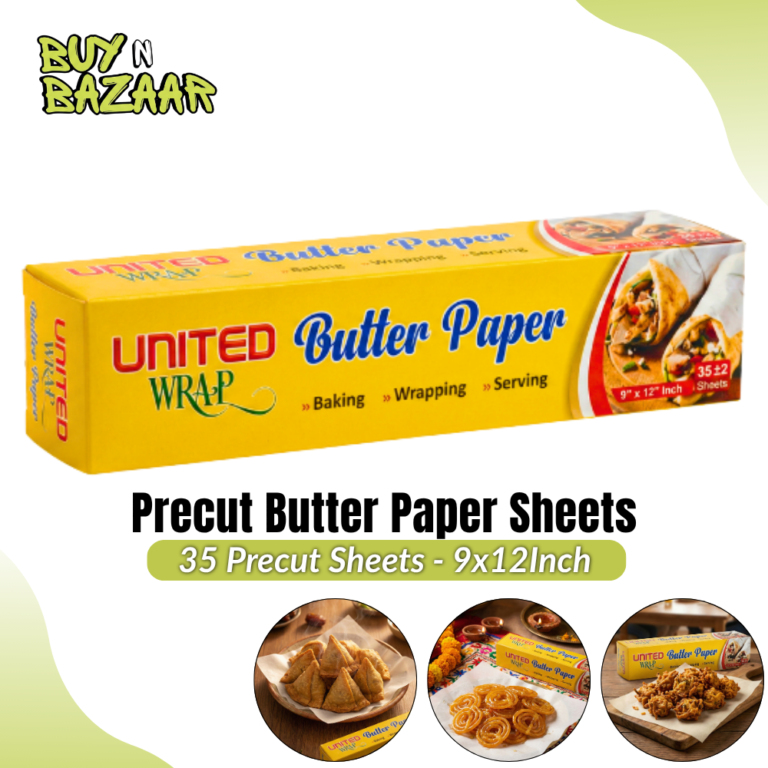
Butter paper (greaseproof paper) and baking paper (parchment paper) are NOT the same. Butter paper is wax-coated — it prevents grease from soaking through but melts and smokes above 150°C. Baking paper has a silicone coating — it’s non-stick and heat-resistant up to 220°C. For cake baking, cookie sheets, and oven use, only baking paper works. Butter paper is for wrapping sandwiches, lining drawers, or separating frozen parathas. Using butter paper in the oven is a fire hazard. In Pakistani markets, shopkeepers often sell butter paper labeled as “baking paper” — always check if it says “oven safe” or “silicone coated” on the packaging.
How to Store Pakistani Roti, Paratha and Naan Fresh for Days
Freshly made roti goes hard within hours if left uncovered — Pakistan’s dry climate (especially Lahore summers at 45°C) accelerates moisture loss. The solution: wrap each roti individually in food-grade cling wrap while still slightly warm. Stack wrapped rotis in a zip-lock bag, press out air, and refrigerate — stays soft for 3–4 days. For freezing parathas: place baking paper between each paratha, stack, wrap the stack in foil, then bag it. Lasts 2–3 months. Reheat frozen paratha directly on tawa — no thawing needed. For naan: wrap in foil and reheat in oven at 180°C for 5 minutes — microwave makes naan rubbery.
Complete your kitchen essentials: Keep leftovers fresh with zip-lock bags and food pouches. Store dry ingredients properly in airtight containers. Maintain kitchen cleanliness with safety & hygiene products. Browse all kitchen & home essentials.