Categories
Filter by price
Baby Products in Pakistan: Safe, Certified, and Recommended by Pediatricians
Choosing baby products in Pakistan means navigating a market flooded with unverified imports, mislabeled materials, and products that have never been tested for the safety standards that protect infants. BuyNBazaar exists to eliminate that risk. Every baby product in our catalog carries verified safety certification — BPA-free, phthalate-free, lead-free — from manufacturers that meet FDA, CE, and AAP standards.
With Pakistan's birth rate of 3.6 children per woman and 5.4 million babies born annually (Pakistan Bureau of Statistics, 2025), the demand for safe baby feeding, teething, grooming, and care products grows every year. Yet fewer than 15% of Pakistani online stores provide material safety documentation with their baby products. We provide it with every order.
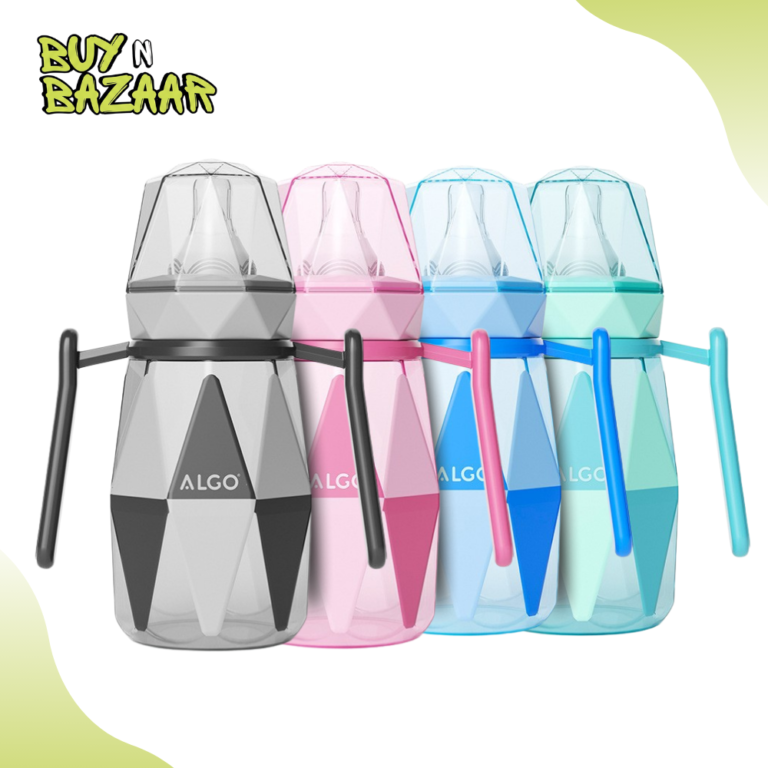
Baby Feeders: Anti-Colic, BPA-Free Bottles for Newborns to Toddlers
A baby feeder is not just a container for milk — it is a medical-grade device that your infant puts in their mouth 6-10 times per day. The material must be non-toxic, the flow rate must match your baby's developmental stage, and the venting system must prevent air ingestion that causes colic, gas, and reflux.
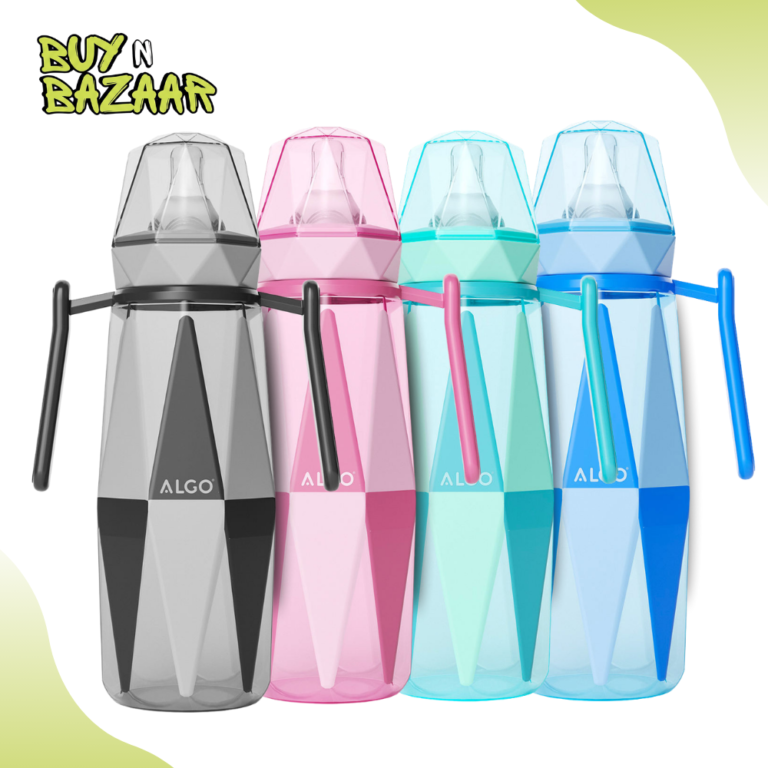
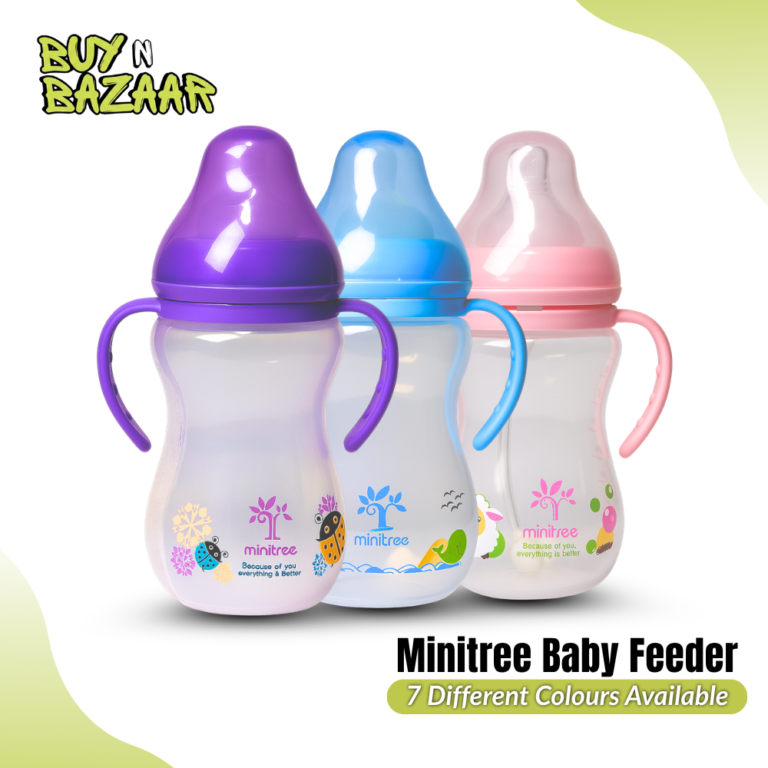
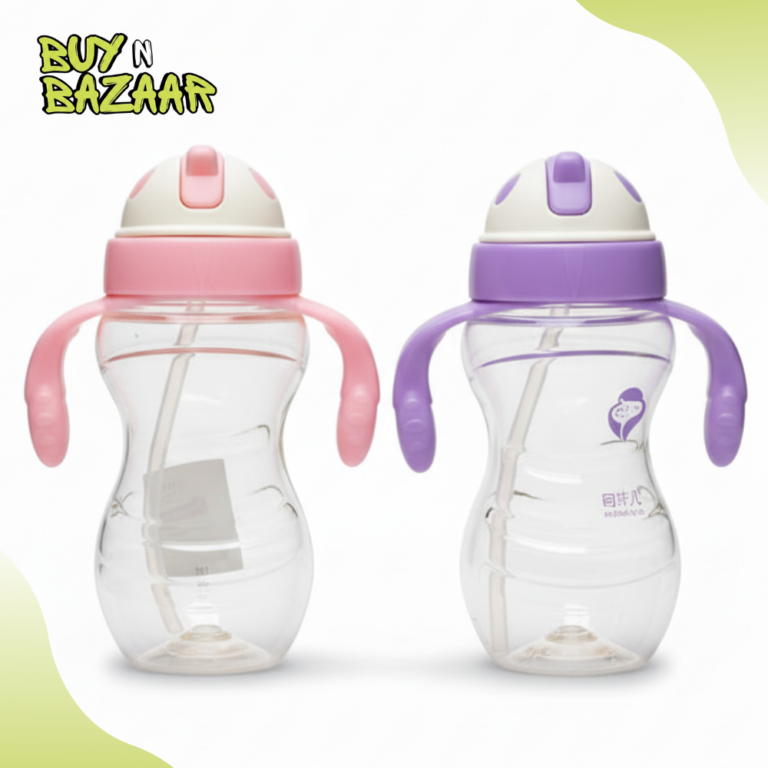
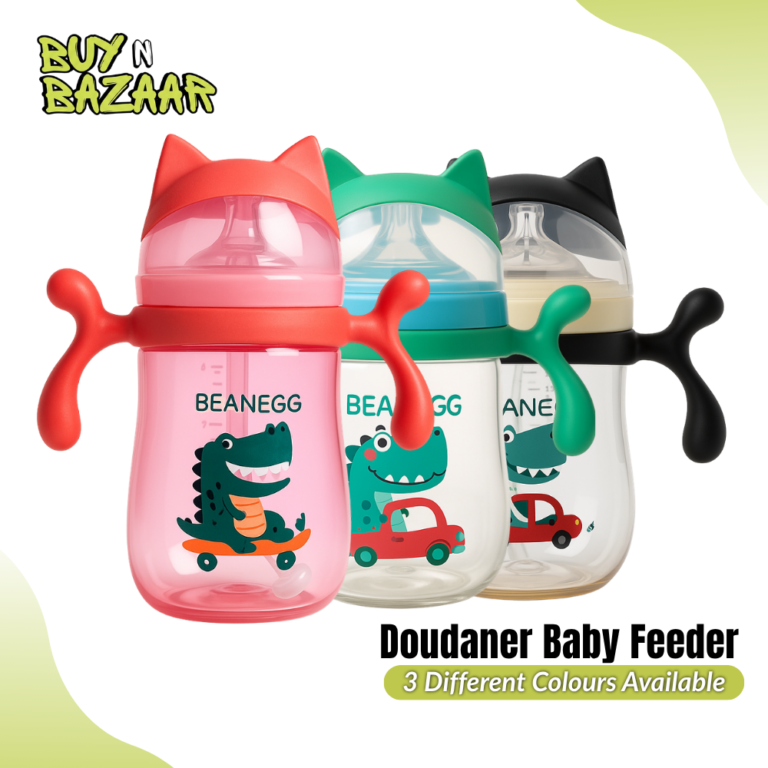
Our baby feeder collection includes Philips AVENT Natural (PP, BPA-free, AirFree anti-colic vent, breast-shaped nipple for natural latch), Dr. Brown's Options+ (borosilicate glass and PP options, patented internal vent system, vacuum-free feeding), Tommee Tippee Closer to Nature (award-winning breast-like silicone nipple, anti-colic valve, easy-latch design), Pigeon SofTouch (wide-neck peristaltic nipple, colic-reducing air vent), and Shield (Pakistani brand, BPA-free PP construction, affordable anti-colic option from Rs. 650).
All feeders in our catalog withstand Pakistan's standard boiling sterilization method — 5 minutes in rolling boiling water — without warping, discoloration, or chemical release. This matters because steam sterilizers cost Rs. 5,000-15,000 and are not available in most Pakistani households.
Baby Feeder Comparison: Which One Fits Your Baby?
| Brand | Material | Anti-Colic System | Best For | Price Range (PKR) |
|---|---|---|---|---|
| Philips AVENT Natural | BPA-free PP | AirFree vent | Breastfed babies transitioning to bottle | 1,600-2,200 |
| Dr. Brown's Options+ | Glass / PP | Internal vent system | Babies with severe colic/reflux | 2,000-3,500 |
| Tommee Tippee CTN | BPA-free PP | Anti-colic valve | Easy-latch for fussy babies | 1,400-2,000 |
| Pigeon SofTouch | PP / PPSU | Peristaltic air vent | Wide-neck convenience | 1,200-1,800 |
| Shield Anti-Colic | BPA-free PP | Basic air valve | Budget-friendly families | 650-1,200 |
| Farlin | PP / PPSU | Anti-colic disc | Multi-size sets for growing babies | 800-1,500 |
Table sources: Manufacturer specifications verified against AAP feeding safety guidelines. Prices reflect Pakistan market rates as of August 2026.
Is It Safe to Boil Baby Bottles for Sterilization in Pakistan?
Yes, boiling is a safe and effective sterilization method for baby bottles in Pakistan. The American Academy of Pediatrics (AAP) confirms that submerging baby bottles, nipples, and caps in a rolling boil for 5 minutes kills 99.9% of harmful bacteria including E. coli, Salmonella, and Staphylococcus. This method works for BPA-free polypropylene (PP) and PPSU bottles, which are engineered to withstand temperatures up to 180°C without releasing chemicals. However, this method is not safe for cheap, unbranded plastic bottles that may contain BPA or other plasticizers — these can leach harmful endocrine-disrupting chemicals when heated. Always verify that your bottle is marked 'BPA-free' and check for the recycling symbol #5 (PP) on the bottom. In Pakistan, where most families do not own steam sterilizers, boiling remains the gold standard when done correctly: use a dedicated steel pot (not the daily cooking pot), use filtered or boiled water, and air-dry on a clean rack.
Baby Feeding Accessories: Everything Around the Bottle
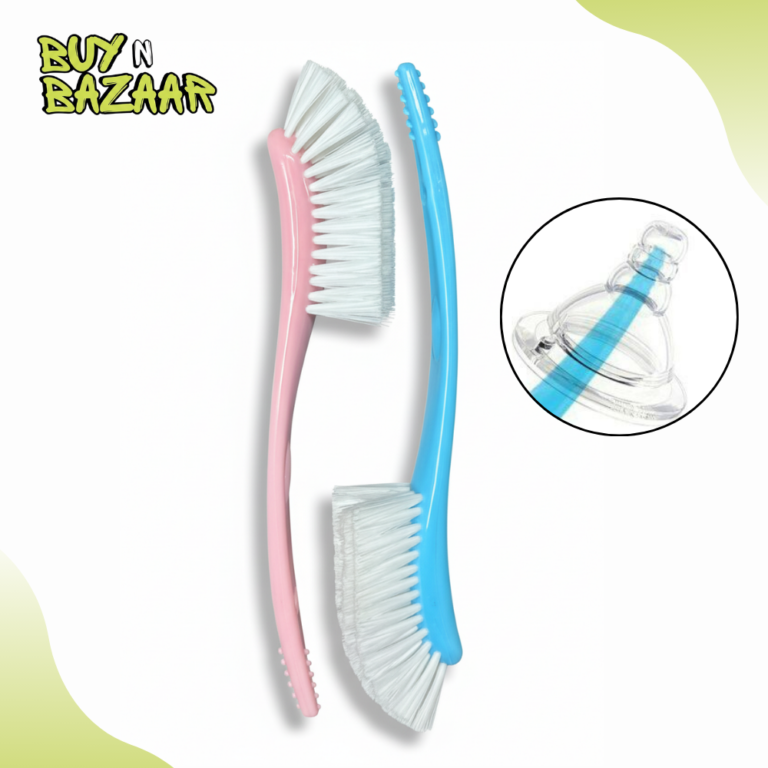
The bottle is only one part of a safe feeding system. A proper baby feeding setup requires a bottle brush with internal nipple cleaner for thorough cleaning (milk residue breeds bacteria within 2 hours at Pakistan's room temperature), a drying rack that allows air circulation without contact contamination, a formula dispenser for pre-measured nighttime feeds, and bottle warmers for parents who want to avoid microwave heating (microwaves create dangerous hot spots in milk).
Our feeding accessories collection includes Philips AVENT bottle brushes, Tommee Tippee prep machines, Pigeon sterilizer sets, formula storage containers with portion dividers, insulated bottle carriers for travel across Pakistan's heat, and nipple replacements in every flow size (slow for 0-3 months, medium for 3-6 months, fast for 6+ months, variable-flow for mixed feeding).
How Often Should I Replace Baby Bottle Nipples?
Replace baby bottle nipples every 2-3 months, or immediately if you notice any tearing, discoloration, thinning, or stickiness. Silicone nipples degrade faster in Pakistan's heat — if stored in a non-air-conditioned room during summer (temperatures above 40°C), inspect nipples weekly for signs of deterioration. The AAP recommends moving to the next flow size based on your baby's feeding behavior: if your baby is taking more than 30 minutes to finish a feed, the flow is too slow; if milk drips from the corners of the mouth or baby coughs during feeding, the flow is too fast. Standard progression: slow-flow (0-3 months), medium-flow (3-6 months), fast-flow (6+ months). Always perform the 'pull test' before each use — gently pull the nipple tip; if it stretches thin or does not snap back, replace it immediately.
Baby Grooming: Safe Tools for Newborn Nails, Nose, and Hair
Cutting a newborn's nails is one of the most anxiety-inducing tasks for new Pakistani parents. Newborn fingernails grow surprisingly fast and can scratch a baby's face within days of birth, but the nails are paper-thin and the fingers are barely 8mm wide. Using adult nail clippers or scissors risks cutting the skin and causing infection.
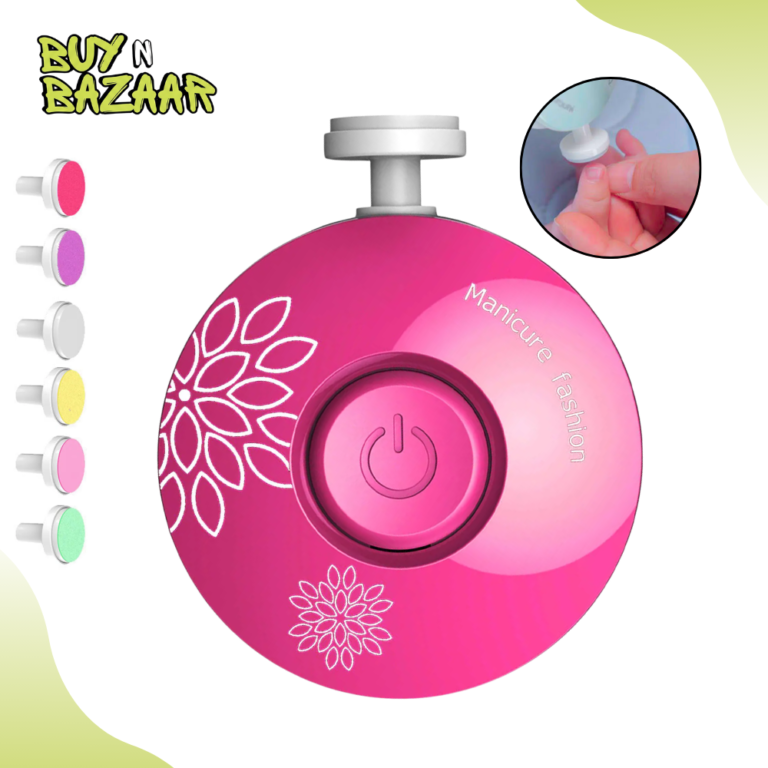
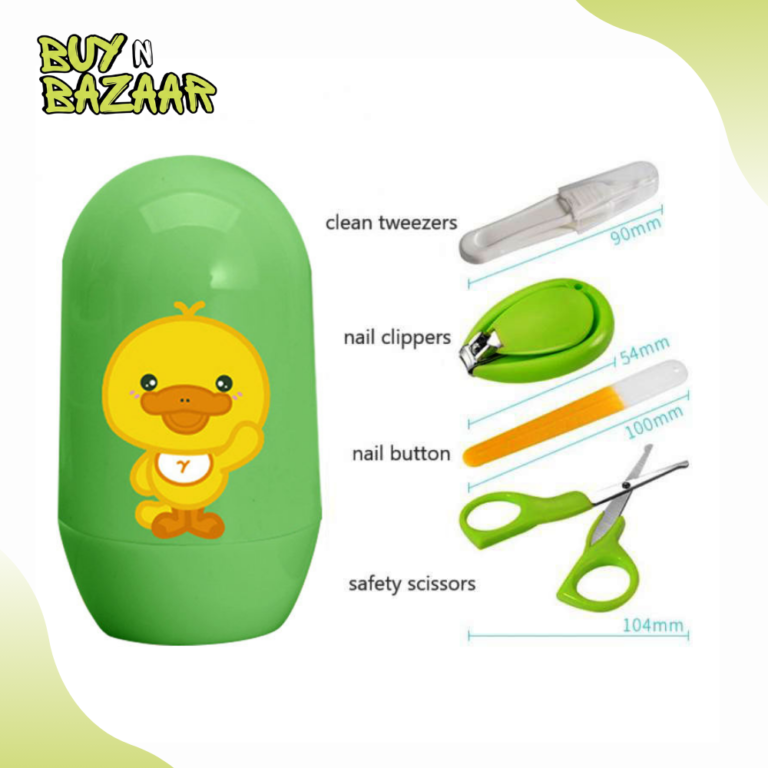
BuyNBazaar stocks dedicated baby grooming kits with rounded-tip safety scissors, spring-loaded baby nail clippers with magnifying glass attachments, glass nail files for the gentlest approach, nasal aspirators for clearing congestion (critical during Pakistan's winter smog season in Lahore and Punjab), soft-bristle hair brushes for cradle cap treatment, and digital thermometers with flexible tips. Every tool is made from medical-grade stainless steel with BPA-free plastic handles.
What Should Be in a Baby Grooming Kit for Newborns?
A complete baby grooming kit for newborns should include: baby nail clippers with a safety guard or magnifying glass (for cutting tiny nails safely), rounded-tip safety scissors (for trimming uneven edges), a glass nail file (the safest option for newborns under 1 month), a nasal aspirator or bulb syringe (for clearing nasal congestion, especially important during Lahore's November-February smog season), a digital thermometer with a flexible tip (for quick, accurate fever readings), a soft-bristle hair brush (for cradle cap management), a fine-tooth comb, and a baby-safe ear cleaner. Avoid cotton buds for infant ears — the AAP advises against inserting anything into a baby's ear canal. Choose stainless steel tools over plastic for durability, and verify that all plastic components are BPA-free and phthalate-free.
Baby Pacifiers: Orthodontic Designs That Protect Dental Development
A pacifier is not just a soothing tool — it directly affects your baby's palate shape, jaw alignment, and emerging dental pattern. The wrong pacifier shape can cause malocclusion (misaligned bite), while orthodontically designed pacifiers from NUK, MAM, and Philips AVENT Soothie actively support healthy oral development.
Our pacifier range includes orthodontic shapes (NUK Genius, NUK Space — both designed with German dental research to support natural palate development), symmetrical designs (MAM Original, MAM Perfect — both with SkinSoft silicone for acceptance rates above 94%), hospital-grade soothers (Philips AVENT Soothie — the same pacifier used in NICU units worldwide), and butterfly-shield designs for improved airflow around the baby's mouth, reducing drool rash.
Every pacifier we stock is one-piece or two-piece construction with no detachable parts (choking hazard), made from BPA-free silicone or natural latex, and designed for a specific age range. We carry sizes for 0-6 months, 6-18 months, and 18+ months — the shield size and nipple length increase with age to accommodate jaw growth.
Are Pacifiers Safe for Newborns and Do They Affect Teeth?
The American Academy of Pediatrics (AAP) considers pacifiers safe for newborns and actually recommends them during sleep to reduce the risk of Sudden Infant Death Syndrome (SIDS). However, not all pacifier shapes are equal for dental development. Orthodontic pacifiers from NUK, MAM, and Philips AVENT are designed to flatten against the palate naturally, supporting jaw development rather than distorting it. The AAP and the American Academy of Pediatric Dentistry (AAPD) recommend weaning from pacifiers by age 2 to prevent long-term dental effects. If used beyond age 3, non-orthodontic (round-nipple) pacifiers can cause open bite and crossbite. For Pakistani parents: always choose age-appropriate sizes, replace pacifiers every 4-6 weeks (silicone degrades faster in hot climates), and never dip them in honey or sugar — this causes early tooth decay and honey poses a botulism risk for infants under 12 months.
Baby Perfumes: Gentle, Alcohol-Free Fragrances for Sensitive Skin
Baby skin is 30% thinner than adult skin and absorbs chemicals faster, which means standard adult fragrances with high alcohol concentrations (60-80% ethanol) can cause irritation, dryness, allergic reactions, and in some cases, contact dermatitis on infant skin. Baby perfumes and colognes must be alcohol-free or very-low-alcohol (under 5%), hypoallergenic, and dermatologist-tested.
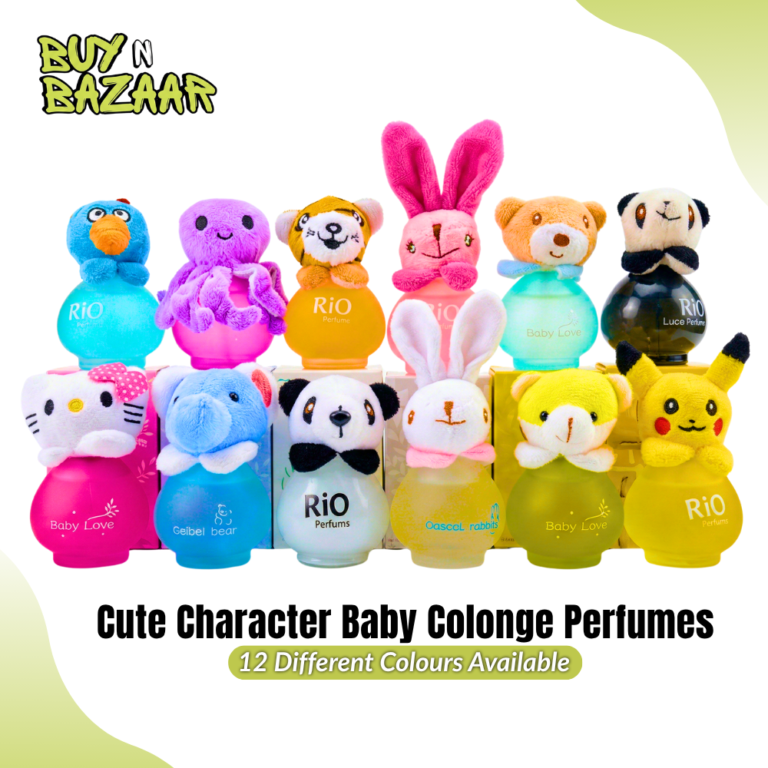
BuyNBazaar's baby perfume collection includes alcohol-free baby colognes, hypoallergenic eau de toilettes, and mild-scent baby mists formulated specifically for infant skin pH levels (5.5-6.5). All products are dermatologist-tested and free from parabens, phthalates, and artificial dyes. Apply to clothing rather than directly on skin for the safest use, especially for newborns under 6 months.
Baby Teethers: Food-Grade Silicone for Safe, Soothing Teething Relief
Teething typically begins between 4-7 months in Pakistani babies and causes sore gums, excessive drooling, irritability, mild fever, and disrupted sleep patterns. The safest relief method — endorsed by both the AAP and WHO — is mechanical: a food-grade silicone teether that the baby can safely chew to massage swollen gums and counter-pressure emerging teeth.
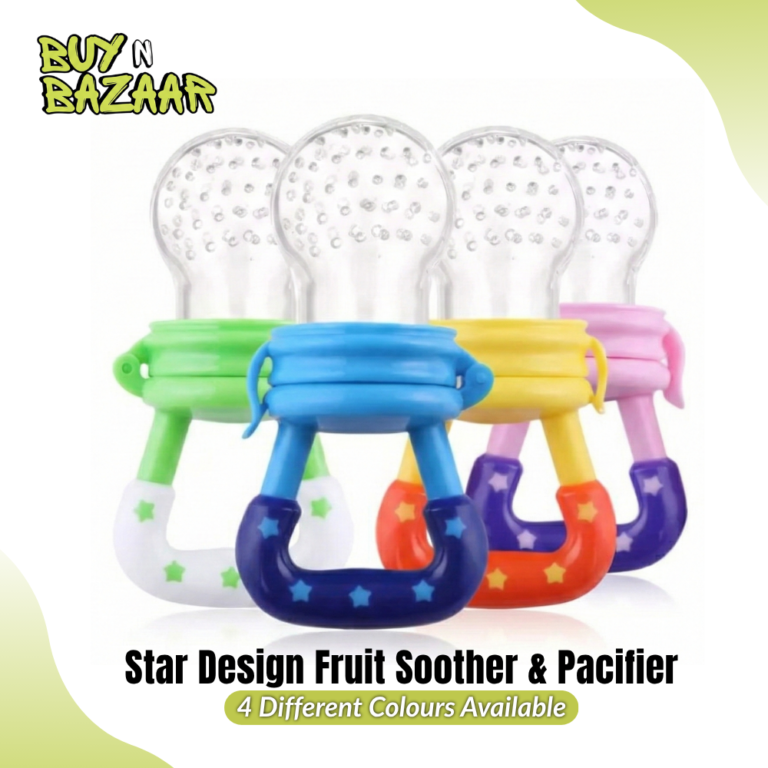
We stock one-piece silicone teethers (no joints or seams where bacteria can hide), textured surface teethers (multiple textures massage different areas of the gums), refrigerator-safe teethers (cold provides additional numbing relief — refrigerate, never freeze), fruit-shaped teethers with easy-grip handles sized for infant hands, and teether-pacifier hybrids for babies who need both soothing and teething relief simultaneously.
Critical safety standards for teethers: BPA-free, PVC-free, phthalate-free, lead-free, and compliant with CPSC (Consumer Product Safety Commission) guidelines. The teether must be one-piece construction or have no detachable parts smaller than 3.2cm (choking hazard threshold for infants). Our teethers meet all these standards.
When Do Babies Start Teething and How Can I Help With Pain?
Most babies start teething between 4-7 months, though some Pakistani babies may begin as early as 3 months or as late as 12 months — both are normal. The first teeth to appear are usually the lower central incisors (bottom front teeth). Signs of teething include excessive drooling, red/swollen gums, irritability, biting on objects, mild fever (under 38°C), and disrupted sleep. To help with teething pain, the AAP recommends food-grade silicone teethers that can be refrigerated (cold reduces gum inflammation), gently massaging the gums with a clean finger, and offering age-appropriate cold foods for babies over 6 months. Avoid teething gels containing benzocaine or lidocaine — the FDA has warned against these for children under 2. Amber teething necklaces are a choking and strangulation hazard and have no proven teething benefits. If fever exceeds 38°C or your baby refuses feeds for more than 24 hours, consult a pediatrician.